Don't Buy the Honor Magic 8 Lite Until You Read This Full Analysis
Short recommendation: prospective buyers should treat the Honor Magic 8 Lite as a competent midrange phone with clear strengths in design and battery life, but also as a device with trade-offs—mainly around software longevity, camera consistency in low light, and the degree of performance for demanding workloads. Read the full analysis below to understand where it fits, what it does well in everyday use, and when another option might be a better choice.
Introduction
The midrange smartphone market is crowded and competitive. The Honor Magic 8 Lite enters that segment aiming to deliver a premium look and long battery life at a lower price than flagship phones. This analysis examines the Magic 8 Lite from the standpoint of real-world use: daily social apps, photography for casual users, light gaming and productivity, and longevity for buyers who expect software support. The goal is to give a balanced, practical take so buyers know what to expect before committing to a purchase.
Product overview
The Honor Magic 8 Lite is positioned as an affordable member of Honor’s Magic series, keeping some of the styling cues of its flagship siblings while cutting costs in selected areas. It appeals to buyers who want a sleek design and long battery life without flagship pricing. However, value is a function of priorities: camera quality, software updates, and peak performance matter to many buyers, and those areas reveal important compromises.
Design and build
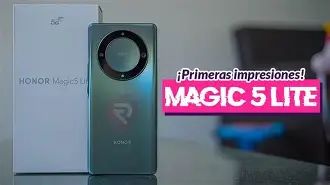
The Magic 8 Lite typically stands out for its refined external design. Honor has focused on a thin profile, curved edges, and a glass-like finish that gives an impression of premium build beyond its price point. For everyday users who care about feel and pocketability, the device often scores well: it is comfortable to hold for extended messaging sessions and light media consumption.
Practical matters matter too. The placement of buttons and the haptic feedback is usually tuned to be satisfying. However, lighter finishing materials mean the phone may be more susceptible to micro-scratches; buyers who prioritize ruggedness should plan for a case. The absence or presence of features such as IP water resistance varies by market and configuration, so buyers looking for all-weather durability should check the exact model details available locally.
Display
Honor outfits the Magic 8 Lite with a visually pleasing panel that generally performs well for streaming, browsing, and reading. Color reproduction tends to be lively, with good contrast and viewing angles. The screen size and resolution strike a balance between readability and pocket convenience, making it suitable for media consumption and social apps.
Higher refresh-rate behavior is often included on devices in this class and improves perceived smoothness for scrolling and animations. That benefit is noticeable in daily use, but it is worth noting that higher refresh rates can impact battery life when enabled continuously—Honor usually provides adaptive modes to mitigate that.
Performance
Performance in the Magic 8 Lite is tuned toward efficient everyday use rather than raw benchmark dominance. Typical workloads—web browsing, social media, video streaming, messaging, and light productivity—are handled smoothly. Multitasking between a handful of apps is generally fine, and app launch times are reasonable.
Shop the latest Mobile Phones picks on Amazon.
See Deals →For buyers who plan extended gaming sessions with the most demanding titles or who use the phone for heavy multitasking (large document editing, multiple background services, virtual desktops), the Magic 8 Lite can show its midrange roots: frame rates, load times, and thermal throttling are areas where flagship-class chips still outperform. In short, the device is optimized for the many, not the few extreme use cases.
Camera performance
Camera systems on midrange phones are a mixture of hardware and software processing. The Magic 8 Lite usually includes a versatile camera array suitable for day-to-day photography: social snapshots, family photos, and casual landscape shots. In good lighting, images are often crisp with pleasing colors, which fits the needs of most buyers who primarily share photos on social platforms.
However, camera weaknesses appear in low-light scenarios and in complex high-contrast scenes. Night shots can lack the dynamic range and noise control found in higher-tier devices, and computational features such as night modes and portrait edge detection can vary by model and software version. Buyers who place a premium on mobile photography—especially in night or indoor settings—should either test the camera in those conditions or consider devices with stronger low-light performance.
Battery life and charging
Battery life is one of the Magic 8 Lite’s strong suits. Honor often prioritizes efficiency, resulting in reliable all-day operation under mixed usage patterns: messaging, streaming, social media, and occasional navigation. Buyers who consistently spend long days away from chargers—commuters, travelers, and those who use the phone heavily for audio or navigation—will appreciate the endurance.
Charging speeds for midrange models typically aim to balance convenience and cost. The Magic 8 Lite usually supports fast charging at a rate that replenishes a significant portion of battery in a modest timeframe. Wireless charging and ultra-fast wired charging may not be included, depending on the region and trim, so buyers who rely on those features should verify the specific configuration being considered.
Software, updates, and ecosystem
Software experience matters as much as hardware for the lifetime of a phone. Honor ships the Magic 8 Lite with its custom UI layered over Android (or the Android-compatible OS used in some regions). The skin delivers useful customizations and features, but it also includes preinstalled apps and platform-specific design choices that some buyers find less minimal than stock Android.
Crucially, update policy and long-term support are often the decisive factor for many buyers. Historically, midrange devices receive a more limited update window than flagship phones. Buyers who plan to keep a phone for several years should verify Honor’s support commitment for the specific model and region—security updates, major OS upgrades, and how quickly patches are delivered all affect the device’s longevity and security posture.
Looking for the best Mobile Phones deals on Amazon?
Browse Now →Connectivity and extras
The Magic 8 Lite supports the connectivity features expected for the category: modern Wi‑Fi standards, Bluetooth for accessories, and cellular bands appropriate for regional 4G/5G deployments. NFC availability can vary, which matters for buyers who use contactless payments frequently. Dual-SIM support and expandable storage are other practical considerations that may differ between markets and should be confirmed at purchase.
Real-world use cases
- Everyday social and communication:** The phone excels for messaging, email, and social apps—clear displays and dependable battery life match typical daily rhythms.
- Travel and commuting: Good battery endurance and compact design make it a sensible travel companion. However, potential buyers should ensure the device supports the cellular bands used in their destinations.
- Casual photography: Ideal for weekend photos, daytime shots, and social sharing, but less ideal for low-light photography or users who need pro-grade images.
- Light gaming and media: Capable for casual titles and streaming; users of graphically intensive games will notice limitations over long sessions.
- Work and productivity: Adequate for email, calendar, video calls, and document editing. Heavy multitaskers or those using CPU/GPU-intensive productivity apps may find higher-tier devices more comfortable.
Comparison with common alternatives
The midrange segment contains several strong alternatives. The table below compares the Magic 8 Lite qualitatively against three typical competitors that buyers often consider: a camera-focused midrange, a balanced mainstream option, and a competitor known for extended software support.
| Model | Target buyer | Display | Performance | Camera | Battery & Charging | Software & Support |
|---|---|---|---|---|---|---|
| Honor Magic 8 Lite | Style-conscious buyers who want long battery life | Bright, color-rich panel—good for media | Midrange—smooth for everyday tasks | Strong in daylight, average in low light | Reliable all-day battery; moderate fast charging | Honor UI—good features but update window varies by market |
| Google Pixel A-series (e.g., Pixel 7a) | Buyers who prioritize clean software and camera processing | High-quality panel with accurate colors | Balanced performance—optimized experience | Excellent computational photography, strong low-light | Good battery life; charging speeds moderate | Longer, more predictable OS and security support |
| Samsung Galaxy A-series (e.g., A54) | Users wanting a balance between features and ecosystem | Vivid AMOLED with good brightness and refresh rate | Solid midrange performance | Versatile camera system—good processing | All-day battery; decent charging | Committed multi-year updates in many models |
| Xiaomi / Other value options | Buyers chasing specs for price | Varies—often high resolution | Often high on paper; real-world experience varies | Good daytime performance; mixed low-light | Large batteries and very fast charging in some models | Update cadence can be inconsistent by region |
Pros & Cons
Pros
- Strong battery life for typical daily use
- Premium-feeling design at a midrange price point
- Vivid display that handles streaming and social content well
- Balanced performance for everyday apps and light multitasking
- Generally good value for buyers who prioritize style and endurance
Cons
- Camera performance can lag in low-light and high-contrast scenes
- Software update policy and long-term support vary by market
- Not the best choice for heavy gaming or sustained high-performance tasks
- Some advanced features common on higher-tier phones (wireless charging, higher-end camera sensors) may be absent
- Durability features like IP rating may be limited on some variants
Buying guide: what to check before deciding
When evaluating the Honor Magic 8 Lite or similar midrange devices, buyers should consider the following checklist to ensure the phone aligns with their priorities.
- Intended use: Identify the primary purpose—photography, battery life, gaming, or general use. If photography in low light or intense gaming is a priority, compare camera samples and frame-rate behavior against alternatives.
- Software support: Confirm the promised update window for the specific regional model. Security patches and OS upgrades affect device lifespan and safety.
- Local model differences: Variants sold in different regions can differ in processor, NFC, network band support, and even included accessories. Verify the exact spec sheet of the model available locally.
- Hands-on testing: If possible, test the camera in the lighting conditions most relevant to daily use. Check comfort, grip, and haptic feedback in store to ensure the design fits personal ergonomics.
- Battery and charging habits: If the user frequently tops up during the day, charging speed matters less than total battery endurance. Conversely, those who need rapid refill times should compare charging specifications.
- Accessory plan: Consider whether a case or screen protector will be needed for durability. Also decide if dual-SIM or expandable storage matters and confirm support for these features.
- Budget vs longevity: A lower price can be attractive, but buyers should weigh savings against potential earlier upgrade cycles if software support is shorter.
Final thoughts and conclusion
The Honor Magic 8 Lite is a thoughtfully designed midrange phone that covers many bases: it looks and feels more expensive than its price might suggest, it delivers dependable battery life, and it is well-suited to the everyday needs of most users—social media, messaging, media playback, and light productivity. For those priorities, the Magic 8 Lite is a sensible option.
That said, buyers who demand the best low-light camera performance, the most aggressive performance for gaming and heavy multitasking, or the longest guaranteed software support may find better alignment with other models in the segment. The decision ultimately depends on which trade-offs a buyer is willing to accept. By checking regional specifications, software update commitments, and testing real-world camera samples in relevant conditions, buyers can make an informed choice that matches how they actually use a phone.
In short: the Magic 8 Lite deserves consideration for style-conscious buyers who value endurance and a pleasant daily experience, but it is not a one-size-fits-all solution. Readers should weigh the strengths and compromises outlined here against personal priorities before deciding whether it is the right midrange phone for them.