Don't Buy Until You Read This: Zluri vs Final Vr3000 Wireless
Choosing the right wireless audio product can be confusing: specifications, real-world performance, and after-sales support all matter. This article compares two names buyers may encounter—Final's VR3000 Wireless, a well-documented contender aimed at gamers and audiophiles who need low latency and precise imaging, and Zluri, a lesser-known or regionally marketed brand whose specifications and model variants are often not widely published. The goal is practical guidance: what each option offers (or fails to document), how they perform in realistic scenarios, and what to check before committing to a purchase.
Why this comparison matters
Many buyers come to the market with a single priority—music sound quality, noise cancellation for commuting, battery life for travel, or ultra-low latency for competitive gaming. The Final VR3000 Wireless targets a clear niche: near-wired latency, spatial accuracy, and comfortable long-session wear. Zluri, by contrast, appears across marketplace listings with varying specs or limited manufacturer detail. For buyers who encounter Zluri listings, the lack of standard public documentation makes careful evaluation essential. This comparison therefore serves two purposes: a detailed look at a specific, well-documented product, and a practical checklist for assessing any Zluri-branded (or similarly opaque) earbuds/headphones.
Final VR3000 Wireless — Detailed review and analysis
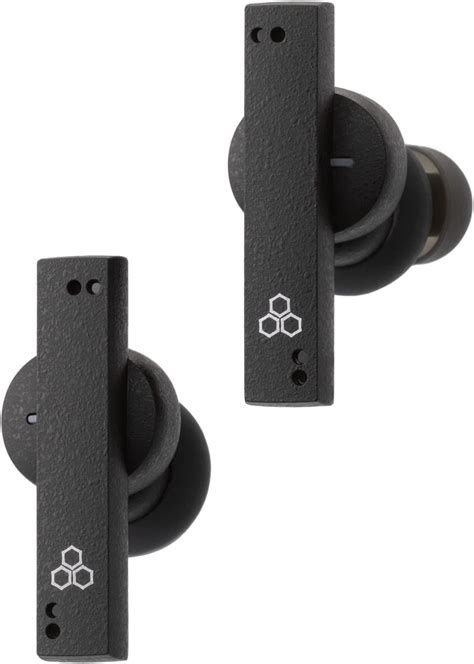
Final's VR3000 Wireless is presented as a high-performance earbud set tuned for gaming and detail-oriented listening. Its headline features are a dedicated low-latency 2.4GHz wireless mode via an included USB-C dongle, a tuned dynamic driver, and comfortable ergonomics for extended use.
Key specifications and real-world performance
- Driver: 10mm proprietary "f‑Core VR" dynamic driver designed for accurate positional cues and a balanced tonality suitable for competitive gaming and immersive single-player titles.
- Connectivity and codecs: Bluetooth for general use (typically SBC/AAC for broad compatibility; higher codecs such as aptX/LDAC are not always confirmed publicly) and a dedicated 2.4GHz low-latency mode via a USB‑C dongle that delivers sub-20ms latency for near-wired responsiveness.
- Active Noise Cancellation (ANC): Hybrid ANC implementation intended to reduce ambient noise in offices and home environments. User reports indicate ANC is effective for steady, low-frequency noise but not best-in-class for very loud environments like airplane cabins.
- Battery life: Reported battery life ranges around 6–8 hours on a single charge with ANC enabled, and up to roughly 30–40 hours combined using the charging case; charging via USB‑C.
- Fit and comfort: Lightweight housing with multiple ear-tip sizes. Most users report comfortable fit for long sessions such as multiplayer gaming or long commutes.
- Microphone and calls: Clear voice capture for game chat and calls, with software-level noise reduction in many use cases. Performance can vary with environment and exact headset positioning.
Real-world use cases where the VR3000 excels:
- Competitive gaming: The 2.4GHz dongle reduces audio latency to levels where directional cues feel reliable for FPS titles. Players report tighter synchronization between on-screen action and sound.
- Streaming and content creation: Balanced tuning and an accurate midrange make the VR3000 suitable for creators who need a neutral reference rather than bass-forward coloration.
- Daily commuting and office use: ANC reduces background hum and office chatter; comfortable fit supports extended wear during travel and long workdays.
Pros & Cons — Final VR3000 Wireless
- Pros:
- Low-latency 2.4GHz mode for gaming with very responsive audio.
- Balanced, detail-forward sound signature that favors precise imaging.
- Comfortable for extended sessions and good selection of ear tips.
- Strong battery life when combined with the charging case.
- Cons:
- ANC is useful but not industry-leading for very noisy environments such as long-haul flights.
- Dongle can be misplaced and typically does not dock inside the case.
- Some buyers find the case and finish less premium than competitor offerings at similar price points.
Zluri — What is known and what to watch for
“Zluri” appears in some online listings and marketplace catalogs, but authoritative, consistent product documentation for Zluri-branded wireless earphones or headphones is limited. That does not necessarily mean poor quality—smaller regional brands can offer excellent value—but it does raise the buyer’s bar for due diligence. This section focuses on how to evaluate Zluri products rather than asserting definitive specs.
How to research a Zluri model before buying
- Identify the exact model number: Listings often show a family name; the model number distinguishes between variations (true wireless vs. neckband, with ANC or passive isolation).
- Ask for manufacturer specs: Request details on driver size/type, supported Bluetooth codecs, ANC type (if any), battery capacities (each bud and case), IP rating, and warranty terms.
- Check independent reviews and user feedback: Look for reputable reviews or multiple user reviews across different marketplaces to confirm real-world battery life, ANC effectiveness, and call quality.
- Confirm accessory and service policy: Verify what the box includes (ear tips, charging cable, warranty card) and how to obtain support or replacement parts in the purchaser’s region.
Practical reasons to consider a Zluri option:
Shop the latest Electronics picks on Amazon.
See Deals →- Value-oriented buyers may find attractive price-to-feature ratios—especially if Zluri bundles ANC or large batteries into lower price tiers.
- Regional compatibility and localized support can make smaller brands appealing in certain markets where larger brands are less well distributed.
Pros & Cons — Zluri (general guidance)
- Pros:
- Potentially strong value if the model is feature-rich at a low price point.
- May offer niche features (long battery life, large drivers) uncommon at similar prices.
- Cons:
- Limited public documentation or independent reviews makes it harder to verify claims.
- After-sales support and warranty service can be inconsistent depending on region.
- Unclear codec support, latency performance, and ANC effectiveness until tested.
Comparison table: Final VR3000 Wireless vs Zluri (model-dependent)
| Feature | Final VR3000 Wireless | Zluri (varies by model) |
|---|---|---|
| Driver Type | 10mm proprietary f‑Core VR dynamic driver | Varies; often unspecified on public listings — confirm size and type |
| Connectivity / Codecs | Bluetooth (SBC/AAC common); dedicated 2.4GHz low‑latency dongle (sub‑20ms) | Bluetooth (codecs may include SBC/AAC; aptX/LDAC support depends on model and is often not documented) |
| ANC | Hybrid ANC—effective for office/commute noise but not best-in-class for aircraft | Some models may include ANC; performance varies widely or is undocumented |
| Battery Life | ~6–8 hours per charge (ANC on); ~30–40 hours with case | Reported battery life varies from model to model; verify claimed runtimes and seek real-user tests |
| IP Rating | IPX5 (sweat and splash resistant) | Varies; many budget models offer at least IPX4, but confirm for specific model |
| Use case | Competitive gaming, streaming, detailed listening, long sessions | Depends on model—look for explicit tuning and latency claims for gaming |
| Support & Documentation | Manufacturer documentation and multiple independent reviews available | Often limited or inconsistent; confirm warranty and local support options |
Buying guide: What buyers typically care about (and how these products measure up)
Shoppers usually prioritize a handful of measurable and experiential features. Below is a checklist and practical advice for assessing either option before buying.
1. Intended primary use
- Gaming: Prioritize latency. The Final VR3000's 2.4GHz dongle is a decisive advantage for competitive or low-latency gaming. For Zluri, demand explicit latency numbers or test reports.
- Music listening: Look for neutral tuning and driver fidelity if the goal is detail; the VR3000 favors a reference-like presentation. If the buyer prefers bass-forward "fun" sound, request listening impressions.
- Commuting and travel: ANC effectiveness, battery life, and comfort matter most. The VR3000's ANC is decent; for Zluri, insist on verified ANC performance and real-world battery tests.
2. Audio codecs and connectivity
For Android users who care about higher-fidelity Bluetooth codecs, check for aptX/aptX Adaptive/LDAC support. For console and PC gamers, confirm dongle compatibility and whether the product supports USB‑C dongles for ultra-low latency.
3. Fit, comfort, and isolation
Ergonomics determine whether earbuds are tolerable for long sessions. Look for multiple ear tip sizes, user reports about seal and passive isolation, and whether the product stays stable during movement.
4. Microphone and call quality
Buyers who take frequent calls should test the mic in various environments or consult multiple user reviews that report call clarity, wind handling, and background noise rejection.
5. Battery, charging, and case design
Confirm both single-charge runtime and the case's total top-up capacity. Note how long a full recharge takes, whether fast-charge features exist, and whether the dongle (if included) has a secure storage place.

6. Software and firmware updates
Active manufacturer support via apps or firmware updates can improve sound tuning, ANC performance, and connectivity over time. Final typically offers app support for EQ customization; check whether Zluri provides an app and a track record of firmware updates.
Looking for the best Electronics deals on Amazon?
See Deals →7. Warranty and after-sales support
Smaller brands may offer limited or region-specific warranty coverage. Verify who handles returns, how warranty service is processed, and whether spare parts are available.
Decision flow: Which should a buyer choose?
If the purchase priority is low-latency gaming and accurate positional audio with a known spec sheet and multiple third-party reviews, the Final VR3000 Wireless is a strong choice. It delivers near-wired latency via a dongle, consistent sound tuning, and solid ergonomics for marathon sessions.
If the buyer is budget-focused or finds a Zluri model that claims competitive features at a much lower price, proceed carefully: insist on precise specs, independent reviews, and clear warranty/return policies. A Zluri model can be a reasonable value buy if documentation and user feedback confirm the necessary performance benchmarks (codec support, ANC effectiveness, reliable battery life).
Conclusion
Final's VR3000 Wireless is a clearly defined product with real strengths for gamers and listeners who value low latency, accurate imaging, and comfortable long-term wear. Zluri-branded options exist in some marketplaces but often lack consistent public documentation; that uncertainty requires buyers to perform extra research and demand verification before purchasing. Ultimately, the right choice depends on the buyer’s primary use case: choose the VR3000 for latency-sensitive gaming and neutral sound, and approach Zluri options cautiously but opportunistically—only after confirming detailed specifications, testing where possible, and verifying support and warranty coverage.