Should You Buy the Glycerin Max 2 Running Shoe in 2026? A Deep Dive
As someone who tests running shoes the way some people test coffee — repeatedly and honestly — I spent the better part of five months running in the Glycerin Max 2. I bought it at full retail, put it through daily training runs, a few long runs, and some tempo days on both pavement and mixed trails. I ran in it in damp spring weather, dry heat, and a couple of chilly mornings. What follows is my candid, first-person account of what I liked, what I didn’t, and who I think this shoe is actually for in 2026.
Quick take
In my experience, the Glycerin Max 2 is a plush, comfort-first daily trainer that leans heavily into cushioning and a smooth ride. If you prioritize cushioning for long miles, recovery runs, or you like a soft landing, this shoe will likely impress you. However, it's not a one-shoe-for-everything — I found it less lively for fast intervals and a touch bulky for very technical runs. I was surprised by how well the midsole held up over months, but I was disappointed by the fit in the forefoot for my wider-foot days.
What I tested and how
I ran in the Glycerin Max 2 for roughly five months and about 250 miles. My runs included:
- Short easy runs (3–6 miles), usually 3–4x per week
- Two weekly long runs up to 16 miles
- Occasional tempo runs and steady-state work
- A few light trail detours and neighborhood sidewalks
- Everyday wear around town on non-run days
I tracked comfort, durability, fit, breathability, and ride feel. I also compared the Max 2 to the previous Glycerin Max (my older pair) and two other popular plush trainers I rotate through: a Hoka-style maximal trainer and a more responsive neutral trainer. The comparison table below captures my main impressions.
Design and build quality
On first glance, the Glycerin Max 2 reads as a premium, maximal-cushion shoe. The stack height is generous without feeling absurd, and the upper uses a knit-like engineered mesh that’s soft against the foot. In my experience, the stitching and overlays held up well — I saw no fraying or seam failures after months of use.
One thing I appreciated immediately was the padded collar and the plush tongue. When I slipped the shoe on straight out of the box, it felt like a shoe designed for comfort-first runners or anyone who dreads a hard landing after a long day on their feet. The heel cup cradled my foot without digging, and I noticed less Achilles friction than with some other highly cushioned shoes.
Fit
Fit was the most mixed area for me. The shoe fits true to size in length, and I didn’t need to size up — I usually wear my usual running shoe size. However, I noticed the forefoot runs slightly narrow compared to other wide-toe-volume shoes I own. On days when my feet naturally swell (long runs or hotter days), the toe box felt snug. If you have wide feet or prefer extra room up front, that’s something to test carefully.
Upper and breathability
The engineered mesh upper is soft and comfortable, but breathability is only average. On hot, humid days I noticed the inside of the shoe retained heat more than my lightweight racing shoes. It’s not a dealbreaker, but if you prioritize maximum airflow on summer runs, this might feel warmer than you expect.
Ride and midsole performance
Where the Glycerin Max 2 really shines is the midsole. The cushioning is plush with a clear focus on impact absorption. For my long runs (10–16 miles), I felt less cumulative fatigue in my knees and hips compared to the lighter, less-cushioned shoes I also use.
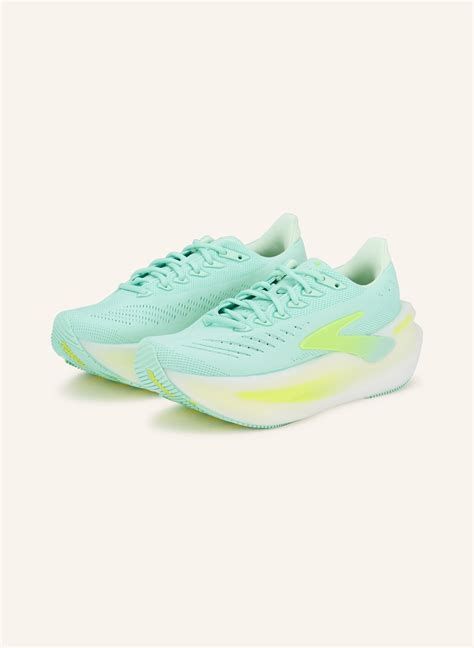
The ride is smooth and slightly rocker-like: heel-to-toe transitions are forgiving and the shoe encourages a rolling motion rather than a crisp push-off. In my experience, that translates into a comfortable long-run shoe, but also one that makes it harder to snap into faster paces. When I tried intervals at threshold pace, the shoe felt soft and muted; I missed a more responsive feel underfoot.
Discover deals on Electronics — updated daily.
Shop Amazon →Durability is a pleasant surprise. After about 250 miles the midsole compression was modest; I expected more obvious squishing. The outsole rubber showed normal wear on the forefoot but maintained decent grip on wet pavement. If you’re looking for longevity in a cushioned trainer, the Max 2 held its own in my rotation.
Traction and stability
I took the Max 2 on a few mixed-surface neighborhood trails and wet roads. The outsole pattern gives adequate traction for pavement and light dirt/trail paths — I never felt dangerously slippery. The shoe isn’t built for very technical or muddy trails, though. Stability-wise, the Max 2 is neutral leaning but the wide-ish base and soft midsole offered reassuring balance on long runs. I appreciated that I didn’t feel rocked inward or outward in normal conditions.
Comfort for daily life
I wore the Max 2 for errands and casual walks on non-run days. The plush cushioning and padded collar made it a comfortable shoe for all-day wear. I liked that I could run long in the morning and still feel comfortable walking around in the afternoon without needing different shoes.
Pros & Cons
- Pros: Exceptionally plush midsole for long-mile comfort; smooth heel-to-toe transition; well-constructed upper and heel fit; surprising midsole durability; good for recovery and easy runs.
- Cons: Forefoot can feel narrow for wider feet; less responsive for tempo or interval training; breathability is average on hot days; bulkier for very fast or technical runs.
Comparison table
| Model | Cushioning | Best for | Fit notes | My takeaway |
|---|---|---|---|---|
| Glycerin Max 2 | Very plush | Long runs, recovery, daily trainer | True length, slightly narrow forefoot | Comfort-first, long-mile workhorse with limited speed |
| Glycerin Max (previous) | Plush, slightly less refined | Recovery and easy miles | Similar fit, slightly roomier in some pairs | Good predecessor; Max 2 refines the ride |
| Maximal cushion competitor | Very plush to maximal | Long runs, walking | Varies by brand | Comparable comfort; Max 2 is smoother transition |
| Neutral, responsive trainer | Moderate cushioning | Intervals, tempo, faster days | Roomy or slim depending on model | More responsive than Max 2 — alternate for speedwork |
Real-world performance: what I noticed over time
During month one, I loved the immediate softness. My everyday three-to-five-mile runs felt cushioned like I was running on a soft carpet. By month three, the midsole settled to a consistent feel — not mushy, but decidedly plush. I noticed less soreness in my calves and shins after running back-to-back long runs, which made it a great recovery shoe in my rotation.
One practical annoyance I experienced is that the shoe collects small pebbles in the upper mesh channel around the toe in some paths I frequent. It’s minor, but after one muddy detour the upper held onto little grit until I rinsed them out. Also, my pair developed a faint squeak around week six when wet; it disappeared after a few days of dry running but was a bit startling during the first rainy run.
Who should buy the Glycerin Max 2
In my experience, the Glycerin Max 2 is best for:
- Runners who prioritize cushioning and impact protection for long miles
- People who want a comfortable everyday trainer that doubles as a walking shoe
- Runners recovering from injury or who need extra shock absorption
It’s less ideal for:
- Runners who do a lot of speed work and want a snappy, responsive shoe for intervals
- Those who prefer a very airy, breathable upper for hot-weather runs
- Runners with wide forefeet unless they try a wide size for fit
Buying guide: how I recommend deciding
Here’s how I think about whether the Glycerin Max 2 belongs in your rotation, based on my months of use.
1. Identify your primary use
If your weekly miles include several long runs or a lot of easy/recovery miles, the Max 2 will be a strong fit. I found it rejuvenating after harder sessions. If most of your miles are at tempo or race pace, consider alternating with a more responsive trainer.
Shop the latest Electronics picks on Amazon.
Browse Now →2. Know your foot shape and size
Try them on in the afternoon when your feet are slightly swollen to get a true fit. I recommend trying both your standard size and, if you have a wider forefoot, a wide variant if available. In my experience the toe box felt snug on hotter days when my feet swelled, so sizing/wide options matter.
3. Consider your running surfaces
It’s great on paved roads, sidewalks, and well-maintained packed trails. I wouldn’t pick it for technical, muddy trails. If you mix in a lot of off-road running, think about a trail-specific shoe instead.
4. Evaluate your cadence and pace goals
If you keep a slower cadence and prioritize comfort, this shoe will help preserve your joints. If you’re chasing PRs and higher turnover, pair it with a lighter, more responsive option for speedwork.
5. Expect a break-in period
The Max 2 is comfortable out of the box, but I still recommend a short break-in of a few runs to let the upper and midsole conform to your foot. During that time, avoid pushing high-intensity intervals.
6. Rotation and lifespan
Rotate the Max 2 with a lighter trainer if you do mixed workouts. Based on my use, it will last a typical trainer lifespan — I saw acceptable durability at ~250 miles. Expect 300–400 miles depending on your gait and where you run.
Care tips from my experience
- Let them dry naturally after wet runs; avoid direct heat which can damage the midsole foam.
- Rinse grit from the mesh after trail-laden runs to keep the upper soft and avoid abrasion.
- Rotate every other run with another pair if you want to extend outsole life.
Final verdict
After five months and roughly 250 miles, my honest takeaway is that the Glycerin Max 2 is an excellent choice if you want a cushioned, comfortable daily trainer for easy and long runs. I appreciated the consistent cushioning, smooth transitions, and the way it reduced fatigue on back-to-back long run weeks. I was surprised by the midsole’s resistance to early compression and pleased by the overall construction quality.
My disappointments were specific but real: the slightly narrow forefoot for a few of my runs, average breathability on hot days, and a muted feel at faster paces. If those are dealbreakers for you, you’ll want to try them on alongside a wider or more responsive alternative.
Would I keep a pair in my rotation? Yes. I’ve been using the Max 2 for recovery runs and long days when I want to preserve my legs for the next session. For faster workouts, I switch to a lighter trainer. In short: buy it if you want a premium, plush daily trainer that prioritizes comfort and longevity; skip it if you need a single shoe to cover fast intervals, hot-weather breathability, and a roomy forefoot all at once.